
Views: 136 Author: Site Editor Publish Time: 2026-01-24 Origin: Site


The best yoga clothes for practice are those that prioritize 4-way stretch, moisture-wicking capabilities, and high-waisted support to ensure full range of motion and opacity during complex poses. High-quality Yoga Clothes typically feature a blend of synthetic fibers like nylon and spandex, which provide the necessary compression and breathability required for various styles of practice, from high-intensity Vinyasa to restorative Yin yoga.
Navigating the landscape of modern activewear requires a deep understanding of textile science and ergonomic design. As yoga transitions from a studio-only activity to a central pillar of the "athleisure" lifestyle, the criteria for choosing Yoga Clothes have become more rigorous. This guide will explore the essential features, material science, and common pitfalls associated with selecting professional-grade Yoga Clothes, ensuring your inventory or personal wardrobe is optimized for success.
Why Do You Need the Right Yoga Clothing?
Key Features to Look for in Yoga Clothes
Essential Yoga Clothing Options
Yoga Wardrobe Mistakes: What to Skip for a Better Practice
Conclusion
Choosing the right Yoga Clothes is essential because specialized apparel manages body temperature through moisture-wicking technology and provides the necessary elasticity for unrestricted movement, which prevents injuries and improves mental focus during practice.
In the world of physical disciplines, yoga is unique due to its extreme ranges of motion and the length of time poses are held. Standard casual wear or low-quality Yoga Clothes often fail under the stress of a deep lunge or an inversion. For example, cotton-heavy Yoga Clothes tend to absorb sweat rather than expel it, becoming heavy and cold against the skin. This can lead to muscle cramping or skin irritation. Professional-grade Yoga Clothes are engineered to behave like a second skin, moving in harmony with the joints and muscles to ensure that the fabric is an asset rather than a distraction.
Furthermore, the right Yoga Clothes play a vital role in hygiene and skin health. During an intense session, the body releases toxins and heat through sweat. If Yoga Clothes are not breathable, these are trapped against the skin, potentially leading to bacterial growth or rashes. Advanced Yoga Clothes feature antimicrobial treatments and specialized knitting patterns that maximize airflow in high-heat zones. For the B2B sector, providing Yoga Clothes that satisfy these physiological requirements is the key to building brand loyalty and reducing product returns.
Finally, the psychological impact of appropriate Yoga Clothes cannot be overstated. The concept of "enclothed cognition" suggests that wearing apparel specifically designed for a task enhances the wearer's performance in that task. When a practitioner puts on high-quality Yoga Clothes, they enter a state of mental readiness. Features like high-waisted bands in Yoga Clothes provide a sense of abdominal security and support, allowing the practitioner to focus entirely on their breath and alignment rather than worrying about whether their clothing is slipping or becoming transparent.
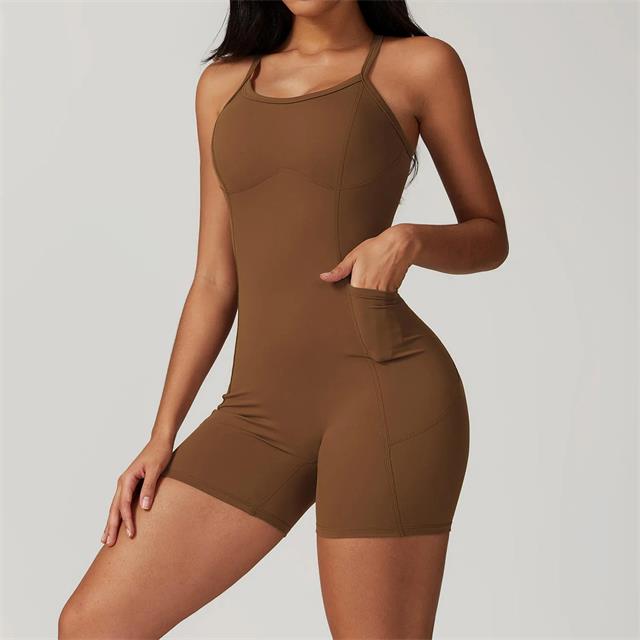
Key features in professional Yoga Clothes include moisture-wicking fabrics for dryness, 4-way stretch for flexibility, high-waisted compression for support, and flatlock seams to prevent chafing during repetitive movements.
The most critical feature of any Yoga Clothes is the stretch capability. 4-way stretch means the fabric can expand both crosswise and lengthwise, which is essential for poses like the splits or the downward dog. When sourcing Yoga Clothes, it is important to check the percentage of elastane or spandex; usually, a 10% to 20% blend is ideal. This ensures that the Yoga Clothes retain their shape over time, preventing the "baggy knee" effect that plagues cheaper alternatives. Durability and "snap-back" are hallmarks of premium Yoga Clothes.
Moisture management is the second pillar of functional Yoga Clothes. Quality fabrics use capillary action to pull moisture away from the body to the outer surface of the garment, where it can evaporate quickly. This is particularly important for "hot yoga" where sweat volume is high. Additionally, opacity—often referred to as the "squat test"—is a non-negotiable feature for Yoga Clothes. High-quality Yoga Clothes use interlock knitting or a high GSM (grams per square meter) to ensure that the fabric remains completely opaque even when stretched to its limit.
| Feature | Importance in Yoga Clothes | Technical Detail |
| 4-Way Stretch | Maximum Mobility | Blends of Nylon and Spandex |
| Moisture-Wicking | Temperature Control | Capillary-action synthetic fibers |
| Squat-Proof | Modesty and Confidence | High GSM (Grams per Square Meter) |
| Flatlock Seams | Skin Protection | Low-profile stitching to prevent chafing |
| Gusseted Crotch | Durability | Triangular fabric piece to reduce stress on seams |
Lastly, the ergonomic details of Yoga Clothes often separate professional gear from casual wear. A gusseted crotch—a triangular piece of fabric sewn into the crotch area—helps distribute the stress placed on the seams during wide-legged poses, preventing tearing. High-waisted bands in Yoga Clothes should be wide and double-layered to provide a "tummy control" effect without rolling down during movement. By focusing on these technical features, B2B buyers can ensure they are offering Yoga Clothes that truly serve the needs of the athlete.
The essential options for a complete yoga wardrobe include high-waisted leggings or yoga pants, supportive sports bras, moisture-wicking tank tops, and lightweight layering pieces that transition easily from the studio to daily life.
For the lower body, leggings remain the most popular choice among Yoga Clothes. They provide the compression needed to stabilize muscles and the coverage required for inversions. However, many practitioners also prefer "flare" yoga pants or flexible joggers, especially for more meditative or Yin-based practices. The variety in Yoga Clothes bottoms allows practitioners to choose according to the intensity of their class. For B2B sellers, maintaining a diverse stock of Yoga Clothes lengths—from 7/8 length to full-length and bike shorts—is crucial to cater to different heights and climate preferences.
Upper body Yoga Clothes must provide a balance of support and breathability. A sports bra is a foundational piece of Yoga Clothes, and for yoga, a low-to-medium impact design is usually sufficient. It should be paired with a racerback tank top or a form-fitting tee. The key for upper body Yoga Clothes is that they should stay in place; a shirt that is too loose will fall over the face during an inversion, disrupting the practice. Many modern Sportswear brands are now incorporating built-in shelf bras into their Yoga Clothes to simplify the layering process and provide a sleeker silhouette.
Hatha/Iyengar: Standard leggings and fitted cotton-blend Yoga Clothes for comfort and alignment checks.
Vinyasa/Power Yoga: High-compression, moisture-wicking Yoga Clothes to handle heat and rapid movement.
Hot/Bikram Yoga: Minimalist Yoga Clothes like bike shorts and sports bras to maximize cooling.
Restorative/Yin: Softer, thicker Yoga Clothes with layering hoodies to maintain body warmth during long holds.
For those practicing in colder environments or during early morning sessions, layering is an essential part of the Yoga Clothes strategy. A lightweight, breathable hoodie or a long-sleeved wrap made from technical fabric allows the practitioner to warm up slowly and cool down comfortably during Savasana. These layering pieces should be designed to be easily removed without disturbing the flow of the class. By offering a "system" of Yoga Clothes, brands can encourage customers to purchase multiple items that work together to enhance the overall practice.
To ensure a better practice, you should avoid Yoga Clothes made of 100% cotton, clothing with excessive zippers or buttons, and overly loose garments that can obstruct vision or get caught during transitions.
One of the biggest mistakes in selecting Yoga Clothes is choosing heavy cotton. While cotton is breathable, it is not moisture-wicking; it holds onto sweat, making the Yoga Clothes heavy, saggy, and slow to dry. This not only causes discomfort but can also make the practitioner feel cold as the moisture evaporates slowly off their body. Instead, professional Yoga Clothes should always be made from synthetic blends or specialized "performance cotton" that has been treated to expel moisture. Avoiding "soggy" clothing is the first step to a better yoga experience.
Another common pitfall is choosing Yoga Clothes with excessive hardware. Zippers, buttons, or thick drawstrings can become extremely uncomfortable when lying on the belly in "Cobra" pose or on the back in "Happy Baby." Professional Yoga Clothes prioritize "seamless" or low-profile construction to ensure there are no pressure points against the skin. Additionally, avoid Yoga Clothes that are too loose. While comfort is important, baggy shirts can fall over your head in downward dog, and wide-leg pants can be a tripping hazard during balance poses.
Lastly, neglect of the "transparency check" can lead to embarrassing moments in a group class. Many low-quality Yoga Clothes look fine when standing, but become sheer when the fabric is stretched over the hips. It is essential to choose Yoga Clothes that are specifically labeled as "squat-proof." For B2B retailers, ensuring that the Yoga Clothes they source have passed rigorous transparency testing is vital for maintaining a professional reputation. Avoiding these common mistakes ensures that the Yoga Clothes support the practice rather than hindering it.
The selection of Yoga Clothes is a foundational element of a successful practice, blending the requirements of physical performance with the psychological benefits of comfort and style.
As we have explored throughout this guide, the best Yoga Clothes are those that disappear into the practice. By focusing on key features such as 4-way stretch, moisture-wicking, and proper fit, practitioners can ensure that their clothing supports every movement and breath. For B2B retailers, the focus should remain on high-quality materials and ergonomic designs that meet the diverse needs of different yoga styles. Whether it is the high-compression needed for Power Yoga or the soft flexibility required for Yin, the right Yoga Clothes make all the difference.
Investing in quality Yoga Clothes is an investment in long-term health and performance. As the industry continues to innovate with sustainable fabrics and smart-textile technology, the core principles of comfort, coverage, and flexibility remain the same. By avoiding common wardrobe mistakes and choosing pieces that offer genuine technical benefits, you can elevate your practice to new heights.


