
Views: 105 Author: Site Editor Publish Time: 2026-02-02 Origin: Site


The global demand for custom-designed apparel has reached an all-time high, driven by the rise of fitness culture and the increasing need for individualized athletic performance gear. For businesses and entrepreneurs entering the high-performance clothing market, understanding the technical nuances of production is the difference between a successful launch and a costly failure. Developing high-quality Sportswear requires a delicate balance of aesthetic appeal, textile engineering, and ergonomic design to meet the rigorous demands of modern athletes.
Designing your own sportswear involves a strategic process of identifying a specific athletic niche, selecting high-tech moisture-wicking and breathable fabrics, creating ergonomic patterns, and developing high-fidelity prototypes to ensure performance and durability. Success in the Sportswear industry depends on combining innovative design trends with functional manufacturing processes that prioritize wearer comfort and freedom of movement.
Whether you are looking to start a boutique fitness line or supply professional athletic teams, the journey from concept to consumer is complex. This guide will navigate you through the essential steps of brand positioning, fabric science, and sales strategies within the dynamic Sportswear sector. By leveraging professional insights and focusing on manufacturing excellence, you can create a collection that stands out in a competitive global market.
Start by determining your target audience
Choosing sportswear fabrics
What trends do you follow when designing sportswear?
Optimize fit? Make prototypes!
How do you approach the sale?
How to design a seamless pattern for fabric printing
Identifying your target audience for Sportswear means pinpointing the specific activity, demographic, and performance requirements of the end-user to ensure the design meets their unique physiological and psychological needs.
Before a single thread is spun, you must define who will be wearing your Sportswear. The requirements for a high-intensity marathon runner are vastly different from those of a yoga practitioner or a professional weightlifter. A marathoner needs lightweight, friction-reducing Sportswear with maximum ventilation, while a yoga enthusiast requires high-stretch, opaque fabrics that provide compression without restricting deep movement. By segmenting your market—whether by age, sport, or price point—you can tailor your technical specifications to solve the specific pain points of that community.
Analyzing the demographic and lifestyle of your audience also dictates the aesthetic direction of your Sportswear line. Younger consumers often gravitate toward "athleisure" styles that transition seamlessly from the gym to social environments, requiring versatile designs and trendy color palettes. Conversely, professional competitive athletes might prioritize technical utility and recovery-enhancing features over fashion. Understanding these nuances allows you to create a brand voice that resonates, ensuring your Sportswear is perceived as a necessary tool for their lifestyle rather than just another piece of clothing.
Furthermore, geographical considerations play a significant role in audience determination for Sportswear. If your target market resides in a hot, humid climate, your designs must focus on anti-microbial treatments and rapid moisture evaporation. In contrast, cold-weather athletes require thermal-insulating Sportswear with moisture-management layers. By conducting thorough market research into these environmental and behavioral factors, you establish a solid foundation for your product development, ensuring that your Sportswear collection finds its rightful place in the consumer's wardrobe.
Selecting the right fabrics for Sportswear involves evaluating moisture-wicking capabilities, breathability, elasticity, and durability to ensure the material enhances athletic performance and provides long-lasting comfort.
The fabric is the soul of any Sportswear piece. In modern manufacturing, synthetic fibers like polyester and nylon are the industry standards because they do not absorb moisture like natural cotton. Instead, high-quality Sportswear fabrics use capillary action to pull sweat away from the skin to the surface of the garment, where it can evaporate quickly. When sourcing materials for your Sportswear line, you must look for "performance blends" that often incorporate Spandex or Elastane to provide the 4-way stretch necessary for dynamic movements without the garment losing its shape over time.
Beyond moisture management, the weight and "hand feel" of the Sportswear fabric are critical. Lightweight mesh inserts are frequently utilized in high-heat zones like the underarms and back to facilitate air circulation. For contact sports or outdoor training, durability is paramount; therefore, abrasion-resistant fabrics are integrated into the Sportswear design to prevent tearing during intense activity. Many modern brands also prioritize sustainability, opting for recycled polyester derived from ocean plastics to meet the growing consumer demand for eco-friendly Sportswear options.
| Fabric Type | Primary Benefit | Common Sportswear Application |
| Polyester | Quick-dry, durable | Running shirts, jerseys |
| Nylon | Soft feel, high strength | Leggings, windbreakers |
| Spandex/Elastane | Extreme stretch | Compression gear, swimwear |
| Bamboo Blends | Anti-bacterial, soft | Yoga wear, base layers |
Additionally, functional finishes can elevate your Sportswear from standard to premium. Silver ion treatments provide permanent anti-odor properties, while UV-protective coatings are essential for outdoor Sportswear intended for hiking or cycling. When working with manufacturers, always request "wash-test" data to ensure the performance features of the Sportswear fabric remain effective after dozens of cycles. The right fabric choice not only supports the athlete's body but also reinforces the quality reputation of your brand.
Current trends in Sportswear design focus on "Athleisure" versatility, sustainable production methods, bold geometric patterns, and the integration of smart-tech features that track biometric data.
Trends in Sportswear are currently moving toward a holistic integration of fashion and function. The "Athleisure" movement remains the most dominant trend, where Sportswear is designed to look as good in a café as it does in a HIIT class. This involves using muted, earthy tones and sophisticated silhouettes that mimic high-fashion streetwear. For designers, this means focusing on clean lines and hidden technical features, such as seamless pockets for smartphones and integrated reflective elements that appear subtle in daylight but provide safety for night runners using your Sportswear.
Sustainability is no longer a niche trend but a core requirement in the Sportswear industry. Consumers are increasingly looking for transparent supply chains and garments made from organic or recycled materials. Circularity—designing Sportswear that can be easily recycled at the end of its life—is a major focus for leading brands. This trend influences design choices, such as using mono-materials (using a single type of fiber for the entire garment) to simplify the recycling process. Incorporating these values into your Sportswear collection can significantly boost brand loyalty among conscious consumers.
Visually, we are seeing a resurgence of retro-inspired Sportswear, featuring bold color-blocking and oversized logos reminiscent of the 1990s. At the same time, digital printing technology has enabled high-definition, complex patterns that were previously impossible. Digital "glitch" prints and nature-inspired textures are popular in modern Sportswear aesthetics. By balancing these visual trends with functional innovations, you can ensure your Sportswear line remains relevant and appealing in a fast-paced market where consumers are constantly seeking the "next big thing."
Optimizing the fit of your Sportswear requires a rigorous prototyping phase where physical samples are tested by real athletes to identify points of friction, restriction, or discomfort before mass production.
The transition from a two-dimensional design to a three-dimensional Sportswear garment is where the most critical errors occur. Prototyping, or "sampling," is the only way to ensure that your technical sketches translate into a high-performance product. When you receive your first Sportswear sample, it should be subjected to a "wear test." Have an athlete perform the specific movements the garment was designed for—running, jumping, or squatting. This reveals if the Sportswear waistband slides down, if the seams chafe against the skin, or if the fabric becomes translucent when stretched.
During the prototyping stage, pay close attention to the placement of seams in your Sportswear. Traditional flatlock stitching is often preferred for athletic wear because it lies flat against the skin, reducing the risk of irritation. If a prototype reveals that a seam is placed directly over a high-movement joint, the design must be adjusted to move that seam to a lower-friction area. These small adjustments in the Sportswear pattern can significantly improve the wearer's experience and prevent the returns and negative reviews that plague poorly fitted apparel lines.
Iterative prototyping also allows you to test the durability of the construction. Your Sportswear samples should undergo stress tests on the seams and repeated laundry cycles to ensure the colors don't bleed and the elasticity doesn't degrade. Only after a prototype has passed all these functional and aesthetic checks should you move into full-scale production. This meticulous approach to Sportswear fit and quality control is what distinguishes professional-grade athletic brands from low-cost fast-fashion alternatives.
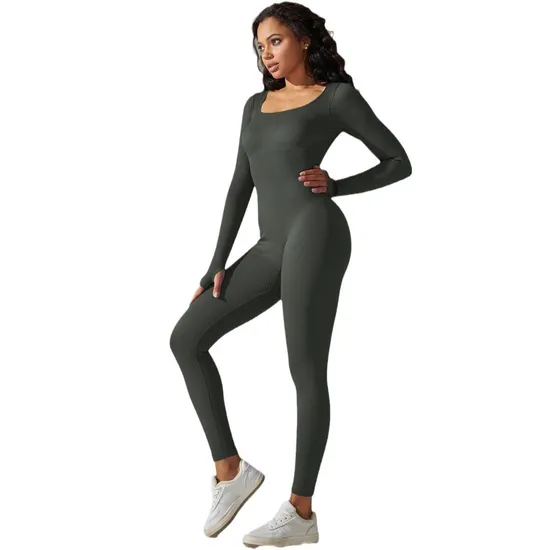
Approaching the sale of Sportswear involves a multi-channel strategy that emphasizes the technical benefits of the product through digital marketing, influencer partnerships, and localized community engagement.
Selling Sportswear in a crowded marketplace requires more than just a good product; it requires a compelling narrative centered on performance and lifestyle. Your sales approach should highlight the "Unique Selling Proposition" (USP) of your Sportswear line. Are you the most sustainable? Do you offer the best compression for recovery? Use high-quality video content to demonstrate your Sportswear in action, focusing on the technical features like breathability and stretch. In the B2B space, providing detailed technical spec sheets and performance certifications can help convince retailers and gym owners to stock your brand.
Digital marketing and social media are the most powerful tools for Sportswear sales. Partnering with "micro-influencers"—athletes or trainers with dedicated, niche followings—can provide authentic social proof for your brand. When these influencers wear your Sportswear during their workouts, it creates a direct connection with your target audience. Additionally, implementing an e-commerce platform that offers detailed sizing guides and easy returns is essential, as fit is the primary concern for consumers purchasing Sportswear online.
Retailing strategies should also include offline touchpoints. Pop-up shops at marathons, fitness expos, or local gyms allow potential customers to feel the fabric and try on your Sportswear in person. This "physicality" builds trust in the quality of your materials. For long-term growth, consider a subscription model or a loyalty program that rewards repeat customers. By combining technical education with community-driven marketing, you create a holistic sales environment that drives both initial purchases and long-term brand advocacy for your Sportswear company.
Creating a seamless pattern for Sportswear fabric printing involves designing a repeating graphic tile that connects perfectly on all sides, ensuring a continuous and professional look across the entire garment regardless of the cut.
A seamless pattern is essential for high-quality Sportswear aesthetics, especially for leggings and jerseys. The design process begins with a "master tile." This tile must be engineered so that the elements on the left edge perfectly align with those on the right, and the top aligns with the bottom. When these tiles are "offset" and repeated during the printing process, the eye should not be able to detect where one tile ends and the next begins. This level of precision ensures that your Sportswear looks professional and avoids the awkward "break" in patterns that occurs with poorly designed graphics.
When designing for Sportswear, you must consider the scale of the pattern. A pattern that looks great on a small computer screen might look overwhelming when printed on a full-size pair of leggings. Digital sublimation is the most common printing method for Sportswear because it infuses the ink directly into the polyester fibers, ensuring the pattern won't crack or peel when the fabric is stretched. When creating your seamless design, use high-resolution vector graphics to ensure that the colors remain vibrant and the lines remain sharp, even when the Sportswear material is under extreme tension.
Finally, consider the placement of the pattern in relation to the human anatomy. "Engineered prints" are a sophisticated trend in Sportswear where the pattern is designed to contour the body, highlighting muscle groups or creating a slimming effect. While more complex to produce than a simple repeat pattern, this approach adds significant value to your Sportswear line. By mastering the art of seamless and engineered patterns, you can create visually stunning athletic gear that commands a premium price and reinforces your brand's commitment to design excellence.
Developing a successful Sportswear brand is an intricate journey that requires technical expertise and market sensitivity. From the initial audience research to the final sales strategy, every decision must prioritize the athlete's performance and the brand's integrity. By focusing on the following key pillars, you can build a sustainable and profitable business:
Audience Alignment: Design with a specific athletic purpose and user demographic in mind.
Fabric Engineering: Use high-performance, moisture-wicking materials like polyester and Spandex.
Prototyping Excellence: Rigorously test samples to ensure optimal fit and durability.
Strategic Sales: Combine digital storytelling with physical brand experiences to build trust.
Visual Innovation: Master seamless patterns and digital printing to create unique, high-value aesthetics.
The Sportswear market continues to expand as fitness becomes a primary lifestyle focus for millions. With the right approach to design and a commitment to quality, your brand can provide the gear that empowers athletes to reach their full potential.


