
Views: 132 Author: Site Editor Publish Time: 2026-01-13 Origin: Site


In today’s fast-paced world, sportswear is no longer confined to the gym or athletic arenas. It has evolved into a multi-functional category of clothing, combining fashion, comfort, and performance for every lifestyle. From marathon runners to yoga enthusiasts, and even to those who just enjoy athleisure wear, there is a wide variety of sportswear designed to fit different activities, body types, and environments. But just how many types of sportswear are there? In this article, we will explore the different categories of sportswear, detailing the materials, functions, and appropriate activities for each type, so you can make informed decisions for your athletic and everyday needs.
Sportswear refers to clothing designed specifically for physical activities. Its primary purpose is to enhance performance, provide comfort, and protect the body from various environmental factors. Sportswear includes items like athletic shoes, shirts, pants, and outerwear that are crafted with specialized materials to suit specific activities such as running, yoga, cycling, or swimming.
Sportswear serves multiple roles:
Performance Enhancement: Specialized sportswear, such as compression gear or moisture-wicking fabrics, can improve athletic performance by supporting muscles, regulating body temperature, and preventing injuries.
Comfort and Flexibility: The right sportswear allows the body to move freely and comfortably, reducing any discomfort during physical exertion.
Injury Prevention: Good-quality sportswear can minimize the risk of injuries by providing adequate support to muscles and joints.
Protection from the Elements: Depending on the sport or activity, sportswear can also protect against environmental conditions such as extreme heat, cold, or rain.
Running requires specific gear designed to meet the needs of runners, from beginner joggers to elite athletes.
Key Features:
Lightweight: Running clothes should be lightweight to avoid any hindrance to movement.
Breathability: Fabrics like polyester and mesh are often used for breathability, keeping sweat from accumulating.
Moisture-Wicking: Fabrics that pull moisture away from the skin, such as dri-fit or CoolMax, are ideal for running.
Key Products:
Product | Description |
Running Shoes | Cushioned, shock-absorbing footwear designed for long-distance running. |
Running Tights/Shorts | Lightweight and moisture-wicking fabrics for comfort and flexibility. |
Running Tops | Breathable tops, usually with ventilation panels to keep the runner cool. |
Compression Socks | Help with muscle recovery and blood circulation during runs. |
Yoga demands flexibility and comfort, and yoga wear should allow for free movement and support during poses and stretches.
Key Features:
Flexibility: The material used should stretch and move easily with the body.
Comfort: Soft fabrics like cotton or spandex ensure comfort during long sessions.
Breathability: Moisture-wicking properties are important to stay cool during intense practices.
Key Products:
Product | Description |
Yoga Pants | High-waisted or leggings-style pants that offer flexibility. |
Tank Tops | Sleeveless tops for easy movement of the arms and shoulders. |
Sports Bras | Provide support for the chest without restricting movement. |
Yoga Shorts | Comfortable, stretchy shorts for warmer weather or hot yoga. |
Whether you are lifting weights or attending a high-intensity interval training (HIIT) session, gym wear is designed to offer both flexibility and durability.
Key Features:
Durability: Gym wear needs to withstand heavy lifting, jumping, or stretching.
Support: Compression wear helps support muscles and joints during intense activity.
Breathability: Lightweight and moisture-wicking materials help regulate body temperature.
Key Products:
Product | Description |
Compression Tops/Pants | Support muscles and help reduce soreness post-workout. |
Gym Shorts | Allow for a full range of motion during various exercises. |
Workout Shoes | Designed for comfort, stability, and traction during gym workouts. |
Athletic Socks | Provide cushioning and comfort for various gym activities. |
Outdoor activities, such as hiking, skiing, or mountain biking, require sportswear that is durable and capable of protecting you from the elements.
Key Features:
Weather Protection: Outdoor sportswear is designed to keep the wearer dry, warm, and protected from wind, rain, or snow.
Breathability: Important for intense physical activity like hiking or climbing.
Durability: Fabric durability is crucial for outdoor adventures, as gear must resist abrasions and environmental wear.
Key Products:
Product | Description |
Hiking Boots | Provide ankle support and traction on rugged terrains. |
Waterproof Jackets | Essential for staying dry in rainy or snowy conditions. |
Insulated Pants | Offer warmth and flexibility for colder outdoor activities. |
Outdoor Gloves | Keep hands warm while allowing for dexterity in cold weather. |
Cycling wear is designed to maximize comfort, performance, and safety on long rides, whether you're cycling on the road or mountain biking.
Key Features:
Aerodynamics: Cycling wear is typically tight-fitting to reduce drag and improve speed.
Padded Shorts: To enhance comfort on long rides.
Breathability and Moisture Control: Keeping cyclists cool and dry is key for performance.
Key Products:
Product | Description |
Padded Shorts | Provide cushioning for comfort during long rides. |
Cycling Jerseys | Lightweight and breathable, with pockets for storage. |
Cycling Shoes | Designed for efficiency and comfort, with a stiff sole for pedaling. |
Cycling Gloves | Improve grip and reduce vibrations for comfort. |
Swimmers require specialized wear that helps them move efficiently in water while minimizing drag.
Key Features:
Hydrodynamic: Designed to reduce water resistance.
Comfort and Flexibility: Comfortable fit and flexibility are essential for swim performance.
Quick-Drying: Fabric should dry quickly once out of the water.
Key Products:
Product | Description |
Swimsuits | Available for men and women, designed for comfort and minimal drag. |
Swim Caps | Help reduce drag and keep hair out of the face. |
Goggles | Protect the eyes from chlorine and help improve visibility underwater. |
Swim Shorts/Trunks | Comfortable and supportive swimwear for men. |
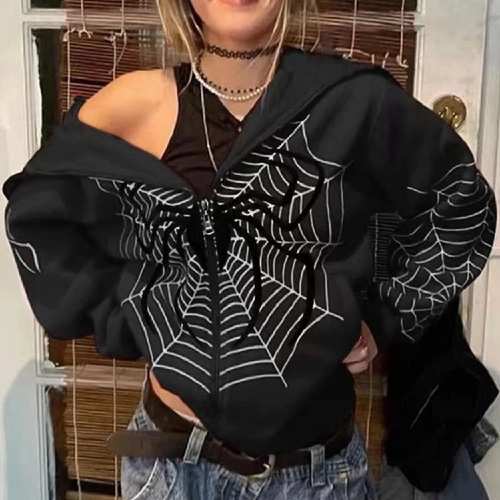
When engaging in winter sports, it’s essential to wear sportswear that offers insulation and protection against harsh weather conditions.
Key Features:
Insulation: Winter sports wear is designed to keep the body warm in freezing temperatures.
Windproofing: Many products are designed to block the wind to prevent wind chill.
Moisture Control: Essential for staying dry when sweating in cold weather.
Key Products:
Product | Description |
Ski Jackets | Provide warmth, water resistance, and protection from wind. |
Thermal Leggings | Insulated leggings to keep the legs warm during winter sports. |
Snow Boots | Designed to keep feet warm and dry in snowy conditions. |
Winter Gloves | Offer warmth and dexterity for outdoor winter sports. |
Summer sportswear is designed to keep athletes cool, protected from the sun, and comfortable during high temperatures.
Key Features:
Breathability: Materials like cotton, linen, and moisture-wicking fabrics help regulate temperature.
UV Protection: Many summer sportswear products offer UV protection to reduce sunburn risk.
Lightweight: The gear is often light to prevent overheating.
Key Products:
Product | Description |
Sun Protection Shirts | Lightweight shirts with UV protection to shield against the sun. |
Shorts | Breathable and flexible, ideal for various summer sports. |
Running Hats | Offer protection from the sun while keeping the head cool. |
Tank Tops | Allow freedom of movement and are perfect for hot weather. |
Athleisure has become an increasingly popular trend, where the lines between athletic wear and casual wear are blurred. This trend caters to individuals who want to stay comfortable and stylish, whether they’re in the gym or out for a coffee with friends.
Key Features:
Fashion-Forward: Athleisure designs incorporate stylish elements, making them appropriate for everyday wear.
Comfort: Soft fabrics and stretchy materials ensure comfort, making these clothes perfect for lounging or casual wear.
Versatility: Athleisure can easily transition from workout gear to casual outfits.
Key Products:
Product | Description |
Leggings | Flexible and comfortable, ideal for both workouts and casual wear. |
Hoodies | Perfect for layering, stylish, and comfortable. |
Sneakers | Trendy footwear that can be worn in both athletic and casual settings. |
Sports Bras | Comfortable and supportive, perfect for both exercise and casual wear. |
Materials play a crucial role in the performance of sportswear. Understanding the benefits of different fabrics can help you choose the right gear for your needs.
Moisture-wicking fabrics help draw sweat away from the body, allowing for faster evaporation and keeping athletes dry during physical exertion. Materials such as polyester, nylon, and merino wool are commonly used for this purpose.
Compression fabrics help improve blood circulation, reduce muscle fatigue, and support the body during intense activity. They are often used in gym wear and running gear.
Breathable fabrics allow air to flow freely through the material, keeping the wearer cool. Fabrics like mesh, cotton, and jersey are often used for summer and high-intensity sports.
Choosing the right sportswear can make a significant difference in your performance and comfort. Consider the following factors:
Activity Type: The right sportswear should match the specific activity you are engaging in.
Weather Conditions: Choose clothing appropriate for the temperature and environmental factors.
Body Type and Fit: Opt for sportswear that fits well and provides the necessary support.
The future of sportswear is evolving rapidly, with advancements in smart fabrics, sustainability, and wearables. Innovations like temperature-regulating fabrics, anti-odor technology, and sustainable production practices are driving the future of the industry.
Sportswear has evolved significantly, offering a variety of specialized clothing designed to optimize performance, comfort, and protection. Whether you're training for a marathon, practicing yoga, or simply enjoying athleisure for everyday wear, there is sportswear tailored to meet your specific needs. Selecting the right gear not only maximizes your performance but also ensures that you stay comfortable, safe, and stylish during any activity.
At Guangzhou Yuanfeng Textile Technology Co., Ltd., we specialize in creating high-quality, performance-driven sportswear that meets the demands of active individuals. Our products are designed with advanced materials to provide the perfect balance of functionality and style, making them ideal for both professional athletes and casual fitness enthusiasts alike.
We invite you to explore our wide range of sportswear options and get in touch with us for personalized recommendations or inquiries. Let us help you find the perfect gear to elevate your workout and leisure experience.
Q1: What are the key features to look for in running wear?
A1: Look for lightweight fabrics, moisture-wicking properties, breathability, and flexibility to ensure comfort during long runs.
Q2: What materials are commonly used in yoga wear?
A2: Stretchable materials like spandex and lycra are commonly used for their flexibility and comfort.
Q3: How can I choose the right gym wear for my workouts?
A3: Choose gym wear based on your activity type. For weightlifting, opt for compression gear for support, while for cardio, go for breathable and lightweight fabrics.
Q4: What should I wear for winter sports?
A4: Insulated, windproof, and moisture-wicking materials are essential for winter sports. Ski jackets, thermal leggings, and gloves are must-haves.
Q5: Can sportswear be worn outside of sports activities?
A5: Yes! Athleisure wear, like leggings and hoodies, is designed to blend fashion and function, making it suitable for casual wear as well.


